.jpg)
August 15, 2025
Scaling customer support from Series A to Series C: Lessons from Jen Burton
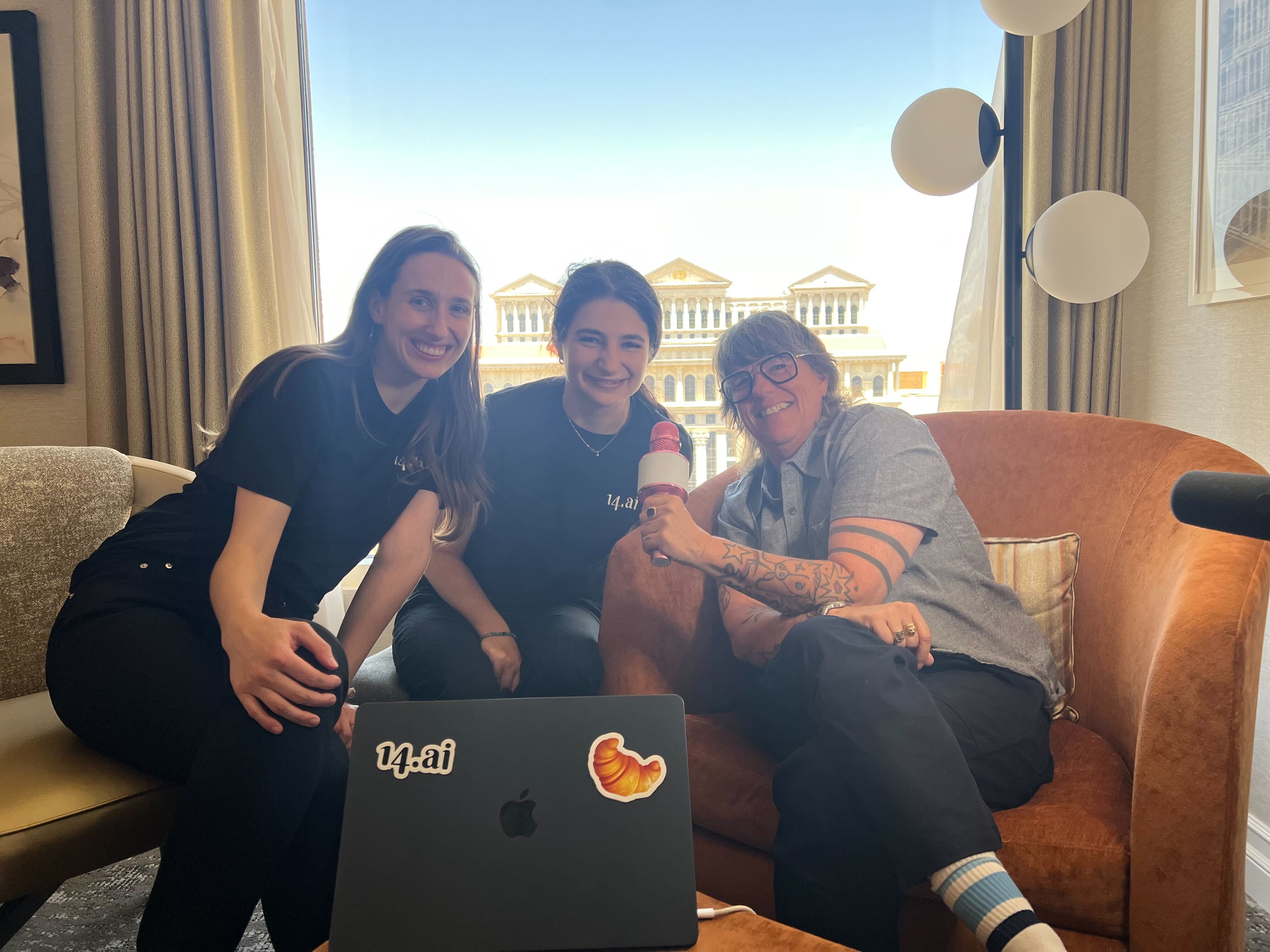
At our latest 14.ai workshop, Jen Burton, founder of Upper Righters, joined us live from the Bellagio for a deep-dive Q&A on building customer support teams that grow with your business.
Drawing on her experience leading support operations for fast-scaling startups, Jen broke down the strategies, data, and mindset shifts needed to move from scrappy Series A support to fully scalable Series C operations.
The right time to build your support team
Jen stressed that founders and engineers should own support in the earliest stages because it is the fastest way to gather customer insights.
By late Series A, once product–market fit is established, it is time to bring in the first dedicated support hire.
That first hire should be mid-level and experienced, capable of setting operational foundations rather than just answering tickets. The second hire can then be a traditional support agent who also contributes to process improvement.
Generalists now, specialists later
Series A companies thrive with generalists who can handle every kind of inquiry.
By Series C, the focus should shift to specialists organized by skill or topic, such as billing, technical, or onboarding.
Specialization pays off in multiple ways:
- Faster onboarding (from 12 weeks down to less than 2 weeks)
- Improved support quality
- Clearer career growth paths for the team
Rethinking early-stage metrics
While most teams default to tracking first response time and resolution time, Jen called these “table stakes.”
The most important early metric is contact reason and topic data.
Capturing and categorizing why customers are reaching out transforms support from a cost center into a profit driver by directly informing product decisions and preventing repeat issues.
Other high-value metrics include:
- Number of responses required to resolve an issue
- Quality coaching opportunities per agent
- Product or policy changes tied to customer feedback
Channels: omnichannel vs. omnipresence
Jen encouraged teams to match channels to their customer base rather than opening every possible option.
App-based products may lean toward chat, while certain professional audiences prefer SMS.
Instead of “omnichannel,” Jen favors omnipresence, which means proactively solving problems before customers have to reach out. Examples include:
- Instead of leaving customers scrambling after a flight is canceled, send a text with rebooking options immediately
- Instead of notifying customers after an overdraft fee has been charged, send a low-balance alert with instant transfer options
Process before headcount
Scaling is not just about adding more people.
Early-stage teams should resist the urge to automate too soon since human touch matters when capturing insights.
As teams grow, automation and AI should take over low-complexity, no-research tasks with clear guardrails, freeing human agents to focus on high-value interactions.
Avoiding common pitfalls
Many scaling mistakes stem from tracking the wrong data or failing to track data at all.
Jen shared examples of startups where valuable customer insights were lost in siloed inboxes or unmanaged Zendesk queues.
In one case, proper tracking led to product changes within a week.
Turning support into a strategic advantage
From the first hire to full specialization, teams that capture and act on customer insights can move “up and to the right”, improving efficiency, product quality, and customer satisfaction in tandem.
A huge thank you to Jen for sharing her expertise, and to everyone who joined us live.