December 3, 2025
Live recap: How AI is powering TikTok shop growth
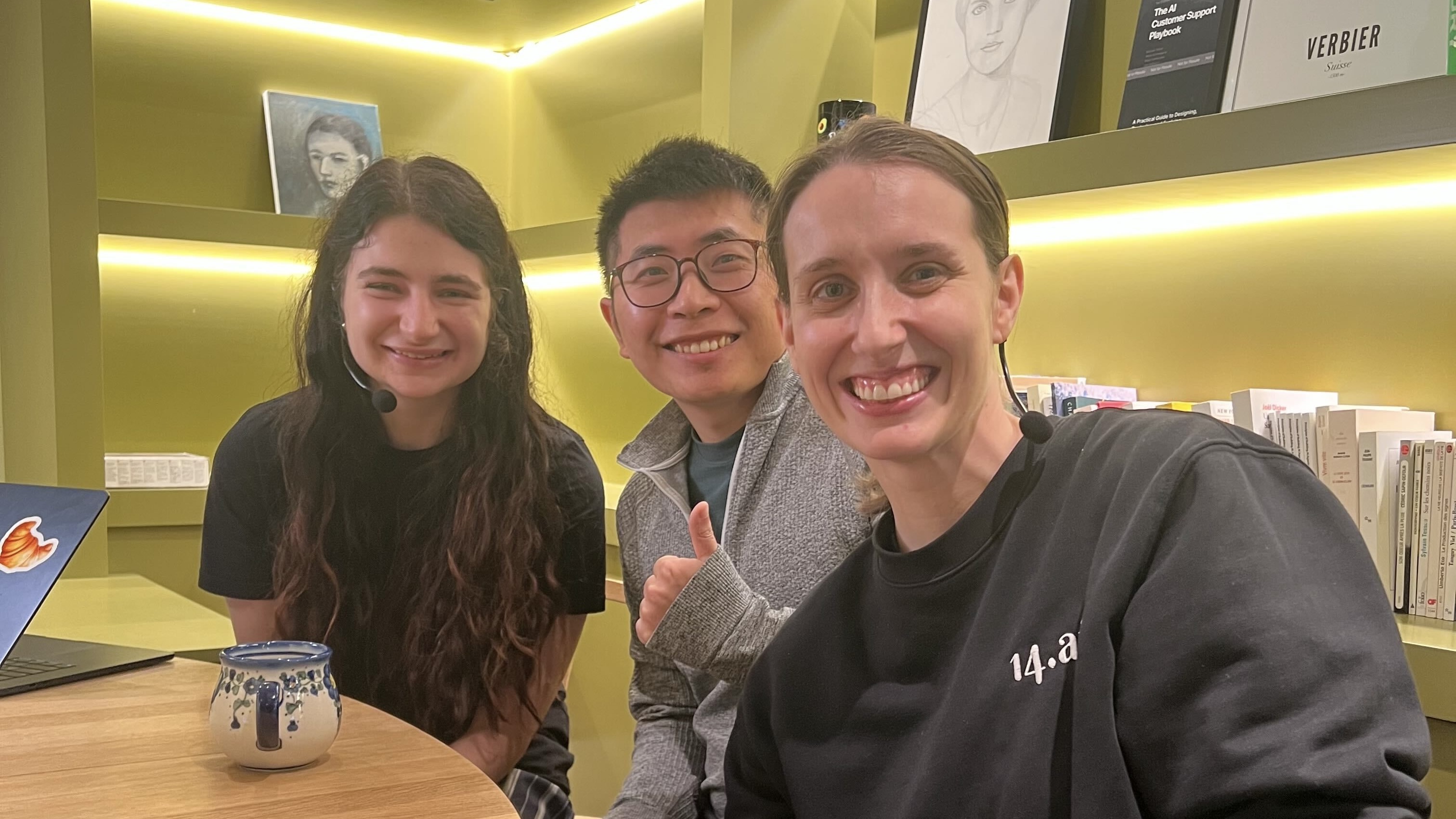
On December 3, we hosted a LinkedIn Live with Jeremy Yaoxin Ding, co-founder and CEO of Euka.ai, to explore how creators, affiliates, and AI-driven workflows are shaping the next wave of TikTok Shop growth. Jeremy’s background spans TikTok, DoorDash, and D2C brands, giving him a clear view into how content, outreach, and automation intersect to drive revenue on the platform.
Why TikTok Shop works for creators and brands
Jeremy emphasized the power of TikTok Shop’s recommendation algorithm. Even creators with small followings can see videos reach millions of viewers if the content resonates with the audience. This structure has enabled many creators in Euka's community to go from zero to meaningful monthly income, often reaching level 3 in the affiliate program by consistently producing content.
He noted that short, relatable hooks often drive the most traction, citing the popular supplement roundup format that Goalie creators repeatedly use to spark sales.
Rethinking affiliates for the TikTok era
Affiliates on TikTok Shop function differently from traditional affiliates. Rather than sharing links, creators film content, receive samples, and earn commissions based on performance. This model is close to traditional affiliate marketing in structure, but deeply rooted in video creation.
TikTok’s closed-loop commerce system allows creators to earn directly inside the app, which has accelerated the rise of “influencer affiliates” who produce high volumes of content for product niches they know convert well.
Starting a new TikTok Shop
If Jeremy were launching a shop from scratch, his first three days would be spent researching:
- Whether the product has product-market fit on TikTok
- Which creators are already converting in that niche
- What types of content formats and hooks drive sales
- Which competitors are scaling, and why
He emphasized that TikTok Shop is not a quick-win channel. Brands need a playbook, patience, and consistent investment before traction compounds.
How to identify high-converting creators
Successful creator selection starts with data. Jeremy shared three signals brands should prioritize:
- Sales history in your niche, measured through GMV and past conversions
- Content quality and style, especially whether it aligns with brand aesthetics
- Engagement rate, since shop videos compete with entertainment content in the main feed
Another key metric is GPM, or gross sales per thousand views. Strong GPM often indicates creators who can convert even without massive reach.
What separates early-stage shops from shops at scale
Early shops need to focus on paid collaborations and targeted outreach to secure their first few sales. This helps establish initial credibility and kickstarts the algorithm.
Once a shop crosses roughly 50K in revenue, the strategy shifts. Brands must:
- Incentivize existing creators to produce more and higher-quality videos
- Continue top-of-funnel outreach
- Maintain a steady flow of samples to high-potential creators
Scaling requires both widening the pipeline and deepening relationships with creators who have proven they can convert.
Common mistakes that prevent seven-figure growth
Many brands slow themselves down by:
- Expecting overnight success instead of planning for three to six months of consistent effort
- Choosing products that do not naturally lend themselves to TikTok-native content
- Underinvesting in creators, samples, and content
Mindset matters. TikTok Shop rewards persistence and experimentation, not short-term thinking.
Inside Goli's hyper-aggressive strategy
Jeremy pointed to Goli as a standout example. The brand treated TikTok Shop as a marketing engine, not a profit center. They collaborated with nearly every creator they could find, which created a self-reinforcing cycle:
More creators posted → more sales → more creators wanted to post → even more sales.
This approach pushed their products into the power-law tier of TikTok Shop, where momentum becomes self-sustaining.
Why automation matters for scale
Managing thousands of creators manually is nearly impossible. That gap is what led Jeremy to build Euka.ai.
Euka automates creator discovery, outreach, CRM workflows, sample fulfillment coordination, and content monitoring. It also provides a creator community where brands can order videos from trained creators and run contests.
Jeremy noted that more than 70 percent of TikTok Shop sales come from affiliates, so automation becomes essential once a brand starts scaling.
Growth hacks that work
Two trends stood out:
- Brands running their own affiliate accounts, producing content from multiple angles to accelerate discovery
- Creators building production teams, filming dozens of videos per day and outsourcing editing to maximize output
Both approaches help smooth out the volatility of the algorithm.
Using social intelligence data for creative testing
Jeremy walked through how brands can use competitive insights to refine creative briefs. Euka scrapes TikTok Shop videos and surfaces:
- Top converting creators in your niche
- Their best-performing hooks
- Common pain points highlighted in reviews
- Competitor content formats
Brands can then generate creative briefs with one click. Jeremy sees a future opportunity in making this data even more real-time so creators always have the freshest insights.
Where AI adds leverage without losing authenticity
AI can help creators and brands:
- Produce frameworks for scripts
- Identify top hooks and selling points
- Refine drafts through critique
- Generate variations of scripts and concepts
But AI should not replace personal storytelling. Jeremy noted that models evolve quickly, and maintaining authenticity requires humans to adapt and steer the creative direction.
Cadence, outreach, and the math behind consistency
To drive reliable revenue, Jeremy recommends aiming for 300 to 500 videos per month. Hitting that output requires:
- Sending 10,000 to 15,000 outreach messages
- Planning for fulfillment rates of about 80 percent
- Maintaining a ranked outreach system so high-potential creators get contacted first
AI plays a critical role in making this volume feasible.
From zero to one million GMV
Rapid growth often puts pressure on inventory planning. Many brands go viral before they are ready, then lose momentum when products sell out. Jeremy’s advice is to test cautiously, watch for signs of virality, and secure inventory early.
With the right product, mindset, and planning, reaching one million in GMV is achievable for most committed brands.
A huge thank you to Jeremy for sharing his insights, and to everyone who joined us live.
.png)